The Science Behind 70% Isopropyl Alcohol: Why It’s Effective for Sanitization
In recent years, the importance of effective sanitization has come to the forefront of public health discussions, especially in light of global health crises. One of the most widely used and accessible sanitizing agents is isopropyl alcohol, commonly known as rubbing alcohol. This article delves into the science behind 70% isopropyl alcohol, exploring its effectiveness as a disinfectant and its role in infection control.
Understanding Isopropyl Alcohol
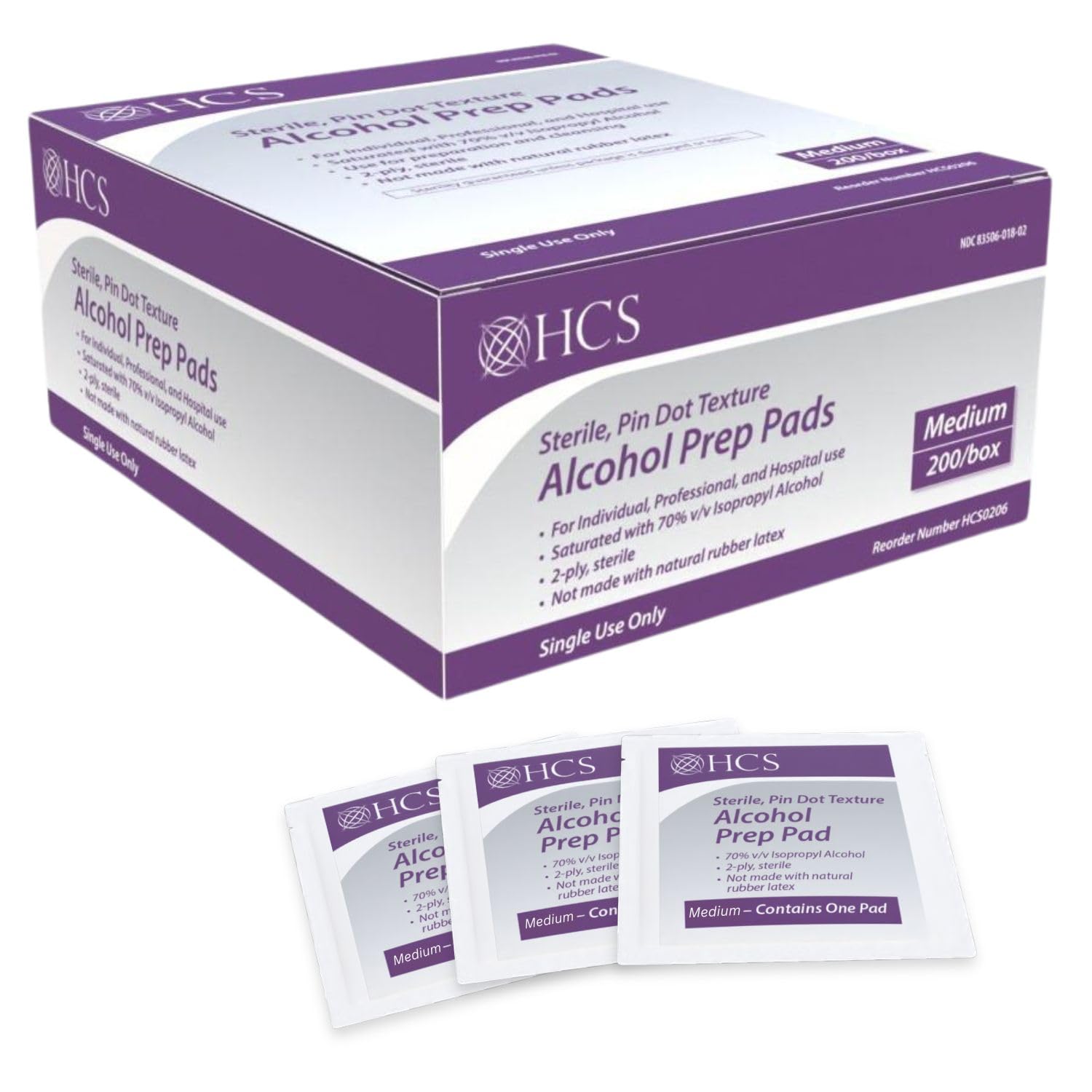
Isopropyl alcohol (C3H8O), also known as isopropanol, is a colorless and flammable chemical compound. It is a type of alcohol that is commonly used as a solvent, antiseptic, and disinfectant. The concentration of isopropyl alcohol plays a crucial role in its effectiveness as a sanitizing agent. While it is available in various concentrations, 70% isopropyl alcohol is the most widely recommended for disinfecting purposes.
Why 70% Concentration?

The effectiveness of isopropyl alcohol as a disinfectant is closely tied to its concentration. The 70% solution is considered optimal for several scientific reasons:
- Water Content: The presence of water in a 70% solution is essential. Water acts as a catalyst, facilitating the penetration of alcohol into the cell walls of microorganisms, which increases the efficacy of the disinfection process.
- Evaporation Rate: Higher concentrations of alcohol, such as 90% or 99%, evaporate too quickly to effectively kill bacteria and viruses. The slower evaporation rate of 70% isopropyl alcohol allows for prolonged contact time with surfaces and pathogens.
- Protein Denaturation: Isopropyl alcohol kills microorganisms through a process known as protein denaturation. At 70%, the alcohol is effective at denaturing proteins within the cell, leading to cell death.
Mechanism of Action

Isopropyl alcohol exhibits its disinfectant properties through a multi-faceted mechanism of action. Here’s how it works:
- Penetration of Cell Membranes: Isopropyl alcohol infiltrates the lipid membranes of bacteria and viruses, disrupting their structural integrity.
- Denaturation of Proteins: The alcohol interacts with proteins in microorganisms, causing them to unfold and lose their functional structure, ultimately leading to cell death.
- Inhibition of Metabolic Processes: By disrupting cellular processes, isopropyl alcohol effectively halts the growth and replication of pathogens.
Effectiveness Against Pathogens

Numerous studies have demonstrated the efficacy of 70% isopropyl alcohol against a wide range of pathogens, including bacteria, viruses, and fungi. Here are some notable examples:
- Bacteria: Research shows that 70% isopropyl alcohol can effectively kill common bacteria such as E. coli, Staphylococcus aureus, and Salmonella within a short contact time.
- Viruses: According to the CDC, isopropyl alcohol is effective against enveloped viruses like influenza and coronaviruses, including SARS-CoV-2, the virus responsible for COVID-19.
- Fungi: Studies indicate that isopropyl alcohol can also eliminate various fungal spores, making it a versatile disinfectant.
Case Studies and Real-World Applications

Several case studies highlight the practical applications of 70% isopropyl alcohol in various settings:
- Healthcare Settings: Hospitals and clinics often utilize 70% isopropyl alcohol for disinfecting surfaces and medical equipment. A study published in the Journal of Hospital Infection found that the use of isopropyl alcohol significantly reduced the incidence of healthcare-associated infections.
- Household Use: During the COVID-19 pandemic, many households turned to 70% isopropyl alcohol for surface disinfection. Surveys indicated that more than 70% of households reported using alcohol-based disinfectants regularly to combat the spread of the virus.
- Laboratories: In laboratory settings, isopropyl alcohol is a staple for sanitizing equipment and surfaces. A study conducted at a microbiology lab found that using 70% isopropyl alcohol reduced contamination rates by over 50%.
Safety Measures and Best Practices
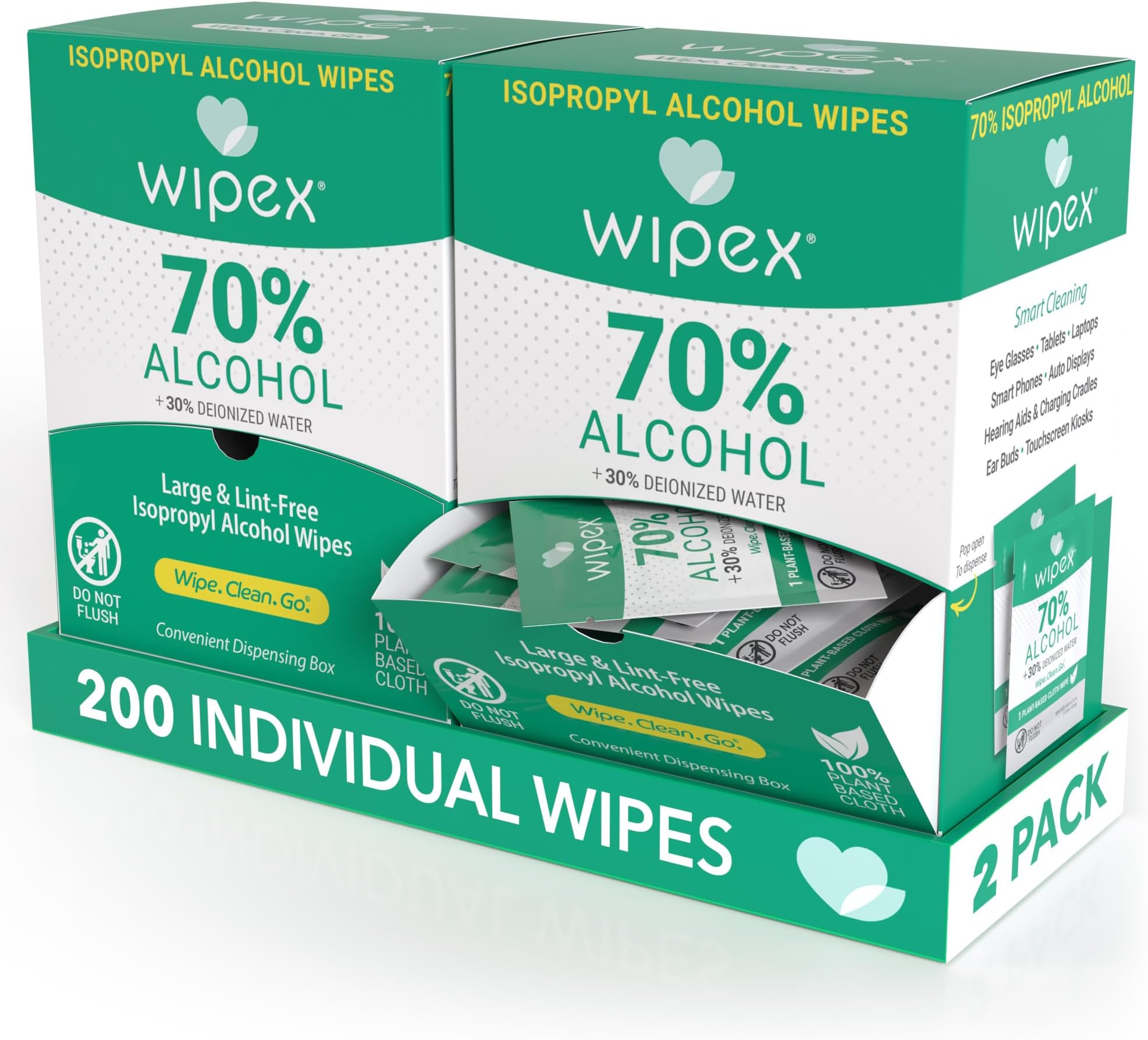
While 70% isopropyl alcohol is effective, it is essential to use it safely to avoid potential hazards:
- Flammability: Isopropyl alcohol is highly flammable. It should be stored away from heat sources and open flames.
- Ventilation: Ensure adequate ventilation when using isopropyl alcohol to avoid inhaling fumes, which can be irritating to the respiratory system.
- Skin Contact: Prolonged exposure to isopropyl alcohol can cause skin irritation. It is advisable to wear gloves and avoid direct contact.
In summary, 70% isopropyl alcohol is a highly effective sanitizing agent supported by scientific principles that highlight its mechanism of action against various pathogens. Its optimal concentration allows for prolonged contact time and effective penetration into microbial cell membranes, making it a staple in healthcare settings, households, and laboratories alike. As we continue to navigate public health challenges, understanding the science behind effective disinfectants like isopropyl alcohol is crucial for promoting health and safety. By following best practices for safe use, we can harness the power of 70% isopropyl alcohol to protect ourselves and our communities from harmful pathogens.