Comparing Aluminum Round Bars to Other Metal Options
Aluminum round bars are widely used in various industries due to their unique properties, versatility, and cost-effectiveness. However, when choosing materials for specific applications, it’s crucial to compare aluminum round bars with other metal options such as steel, brass, and titanium. This article will delve deep into the characteristics, advantages, and limitations of aluminum round bars in comparison to these alternatives, offering valuable insights for engineers, designers, and manufacturers.
Understanding Aluminum Round Bars
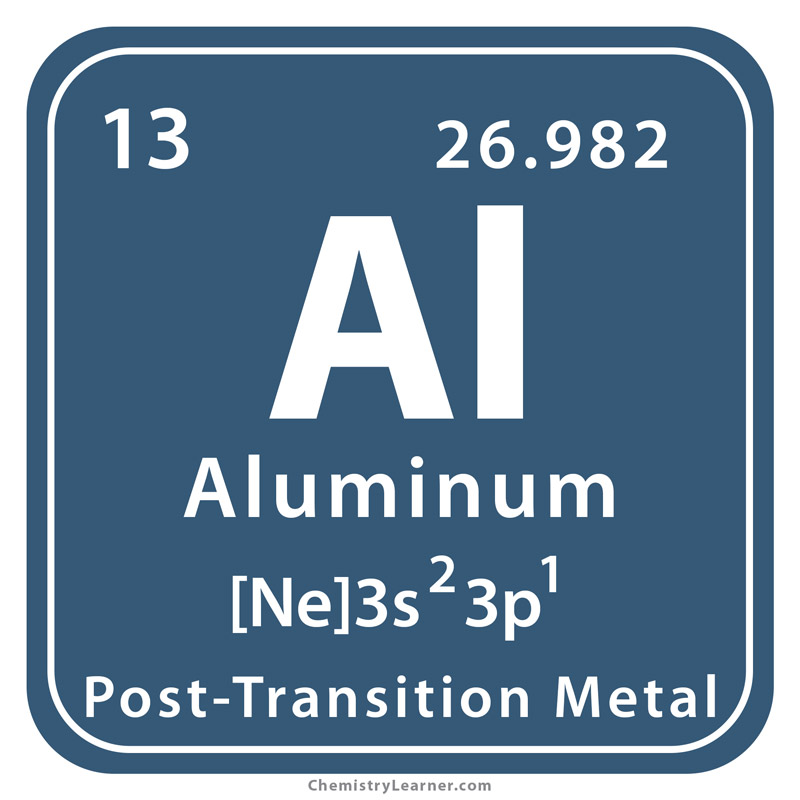
Aluminum round bars are cylindrical rods made from aluminum alloy, commonly utilized in construction, manufacturing, and engineering applications. Aluminum is recognized for its lightweight nature, resistance to corrosion, and excellent machinability. The 6061 and 7075 series are among the most popular aluminum alloys used for round bars, known for their strength and versatility.
Properties of Aluminum Round Bars
Before comparing aluminum with other metals, it’s essential to understand its properties:
- Lightweight: Aluminum has a density of about 2.7 g/cm³, making it significantly lighter than steel and other metals.
- Corrosion Resistance: Aluminum naturally forms a protective oxide layer that prevents rusting and degradation.
- Machinability: Aluminum can be easily machined, cut, and formed into various shapes.
- Thermal and Electrical Conductivity: Aluminum is an excellent conductor, making it suitable for electrical applications.
- Recyclability: Aluminum is 100% recyclable, which contributes to its sustainability.
Comparison with Steel Round Bars
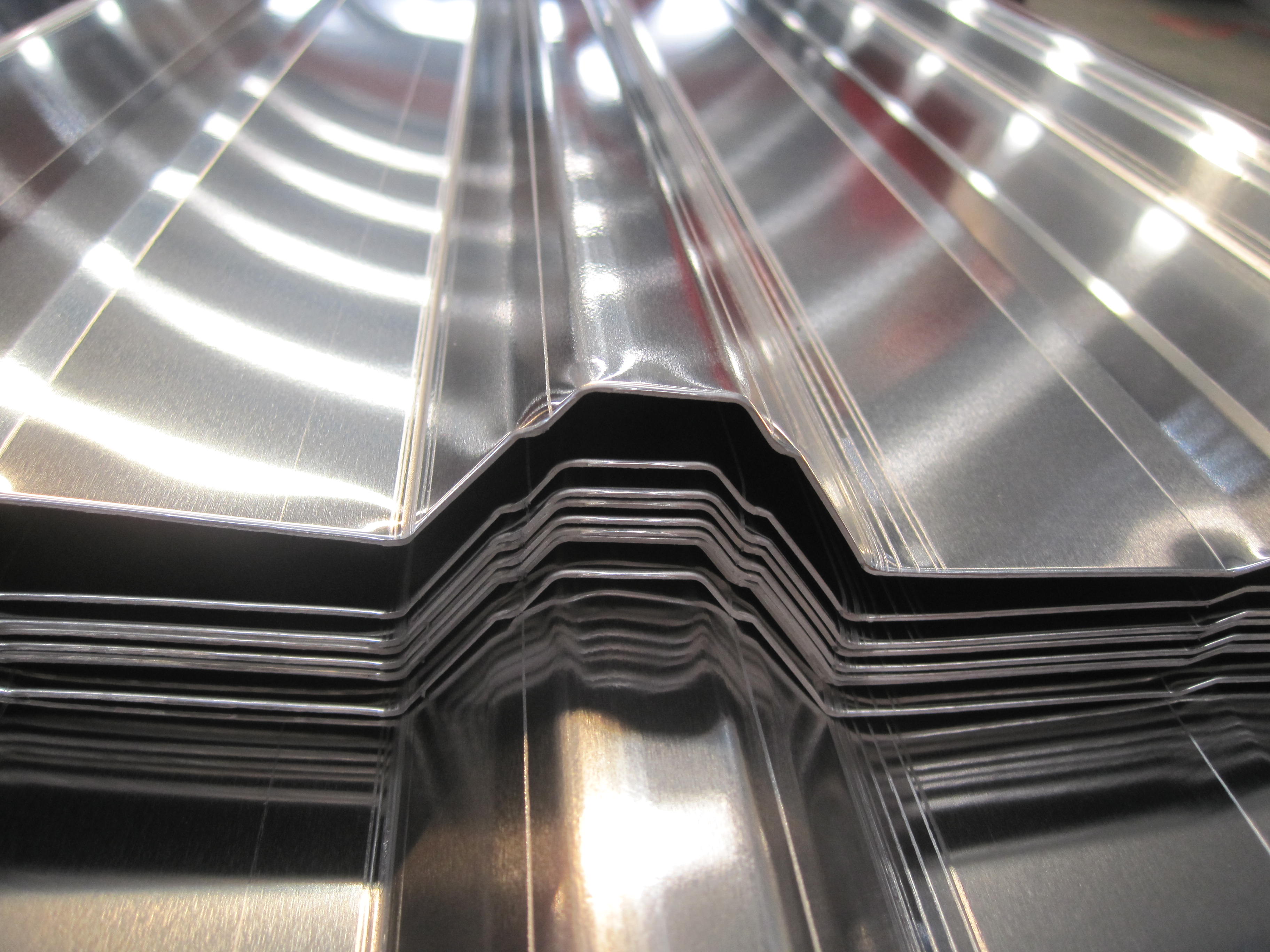
Steel is one of the most widely used metals in construction and manufacturing. Below are the critical differences between aluminum and steel round bars:
- Strength: Steel is generally stronger than aluminum. For example, the tensile strength of steel can reach up to 250 MPa, while aluminum ranges from 70-700 MPa depending on the alloy.
- Weight: Aluminum is significantly lighter, which can reduce transportation costs and ease handling.
- Corrosion Resistance: Steel requires protective coatings to resist rust, whereas aluminum can withstand various environmental conditions.
- Cost: Aluminum tends to be more expensive than steel on a per-pound basis, but when considering its durability and maintenance costs, it can be more economical in the long run.
Case Study: Aerospace Applications
In the aerospace industry, weight savings are critical for fuel efficiency. Aircraft manufacturers often use aluminum round bars for structural elements due to their lightweight and strength-to-weight ratio. For instance, the Boeing 787 Dreamliner utilizes aluminum alloys to keep the overall weight down, which in turn reduces fuel consumption.
Comparing Aluminum to Brass Round Bars
Brass is another common metal used in manufacturing, known for its excellent corrosion resistance and machinability. Here’s how aluminum compares to brass:
- Corrosion Resistance: Both metals offer good corrosion resistance, but brass is often favored in marine applications due to its ability to withstand saltwater environments.
- Weight: Aluminum is lighter than brass, which has a density of approximately 8.5 g/cm³.
- Cost: Aluminum is generally less expensive than brass, making it a more cost-effective option for many applications.
- Conductivity: Brass has better electrical conductivity than aluminum, making it suitable for electrical fittings and components.
Case Study: Plumbing Fixtures
In plumbing applications, brass is often used for fixtures and fittings due to its corrosion resistance and aesthetic appeal. However, manufacturers are increasingly turning to aluminum for components where weight reduction is essential, such as in portable plumbing systems.
Comparing Aluminum to Titanium Round Bars
Titanium is renowned for its exceptional strength-to-weight ratio and corrosion resistance, but it comes with a higher price tag. Here’s how aluminum stacks up against titanium:
- Strength: Titanium is stronger than aluminum, with a tensile strength often exceeding 900 MPa.
- Weight: Titanium is heavier than aluminum, with a density of about 4.5 g/cm³.
- Cost: Titanium is significantly more expensive than aluminum, making it less practical for applications where costs are a concern.
- Corrosion Resistance: Both metals are highly resistant to corrosion, but titanium performs better in extreme environments.
Case Study: Medical Implants
In the medical field, titanium is often used for implants due to its biocompatibility and strength. However, aluminum round bars are being explored for temporary implants where weight and ease of machining are crucial.
Choosing the Right Material
When selecting between aluminum round bars and other metal options, consider the following factors:
- Application Requirements: Assess the strength, weight, and corrosion resistance needed for your specific application.
- Budget: Balance performance needs with your budget. While aluminum may be more expensive than steel, it could be more cost-effective in the long run due to lower maintenance costs.
- Environmental Factors: Consider the environment in which the material will be used. For marine applications, brass or titanium may be more suitable.
- Machinability: If your application requires complex shapes, aluminum’s machinability might give it an edge over other metals.
Aluminum round bars are a versatile and cost-effective option for various applications, offering unique properties such as lightweight, corrosion resistance, and excellent machinability. While steel, brass, and titanium have their own advantages, the choice of material ultimately depends on specific application requirements, budget constraints, and environmental factors. Understanding the strengths and limitations of each metal will empower engineers and designers to make informed decisions, ensuring optimal performance and cost-efficiency in their projects.
In summary, aluminum round bars present a compelling choice in many applications, particularly where weight savings and corrosion resistance are paramount. However, thorough consideration of alternatives like steel, brass, and titanium is essential to achieve the best results tailored to your specific needs.


