The Evolution of Mirage: From Animation to Action Figure
The world of entertainment has seen numerous characters that have transcended their original mediums to become cultural icons. Among these is the character Mirage, known for her intriguing blend of mystique and charisma. Originally conceived in animation, Mirage has evolved into a popular action figure, captivating fans across various demographics. This article traces the evolution of Mirage, examining her journey from animated character to collectible action figure, and the impact of this transformation on popular culture.
Origins of Mirage: The Animated Character

Mirage first appeared in the animated series “Transformers: Prime,” which aired between 2010 and 2013. The character was reimagined from her earlier iterations in the Transformers franchise, showcasing a more nuanced personality and a complex backstory. Here are some key aspects of her origins:
- Character Design: Mirage was initially designed as a sleek, high-tech Autobot with the ability to create holographic images. This design reflected the advanced technology theme prevalent in the Transformers universe.
- Voice Acting: Voiced by actor James Horan, Mirage was given a distinct personality that combined charm with a sense of honor and loyalty, making her a fan favorite.
- Narrative Role: In “Transformers: Prime,” Mirage played a crucial role in battling the Decepticons while also exploring themes of friendship, sacrifice, and identity.
Mirage’s character development in the series resonated with viewers, and her ability to manipulate light and create illusions added layers to her persona, making her more than just a combatant. She became a symbol of hope and resilience, which contributed to her growing popularity.
The Transition to Action Figures
As the animated series gained traction, so did the demand for merchandise, including action figures. The transition of Mirage from animation to the toy aisle marked a significant shift in how fans engaged with the character.
Market Demand and Collectibility
The action figure market has always been driven by nostalgia and the emotional connection fans have with characters. The emergence of Mirage as an action figure is indicative of broader trends in the toy industry:
- Nostalgia Factor: Many collectors grew up watching Transformers and wanted to own a piece of their childhood. Mirage’s character resonated with both older fans and new audiences.
- Quality of Design: High-quality figures featuring intricate details and articulation became a selling point. Collectors sought figures that accurately represented the characters they loved.
- Limited Editions: The introduction of limited edition figures created a sense of urgency among collectors, driving sales and increasing the perceived value of Mirage as an action figure.
Manufacturers and Collaborations

The rise of Mirage as an action figure can also be attributed to strategic partnerships between toy manufacturers and the creators of the Transformers brand. Notable collaborations include:
- Hasbro: As the primary manufacturer of Transformers toys, Hasbro’s commitment to high-quality design and innovation played a vital role in bringing Mirage to life as an action figure.
- Third-Party Companies: Various third-party manufacturers began to produce unofficial Mirage figures, catering to collectors looking for unique interpretations and customizations of the character.
- Collector’s Editions: Special edition figures featuring exclusive packaging, accessories, or variants have been released, appealing to serious collectors and enhancing the figure’s market value.
Impact on Popular Culture

The evolution of Mirage from animation to action figure has not only enriched the Transformers franchise but has also had a broader impact on popular culture. Here are some significant ways in which Mirage has influenced culture:
Representation and Diversity

Mirage’s character has contributed to discussions about representation in media. Her portrayal as a strong female character in a predominantly male universe has been seen as a positive step toward greater diversity:
- Breaking Stereotypes: Mirage’s character challenges traditional gender roles within the Transformers universe, showcasing female strength and leadership.
- Inspiring New Generations: Young fans, particularly girls, see Mirage as a role model, inspiring them to embrace their own strength and individuality.
Fan Communities and Fandom
The transformation of Mirage into an action figure has also fostered vibrant fan communities. Social media platforms have seen an increase in fan art, cosplay, and discussions centered around Mirage:
- Cosplay Events: Fans often dress as Mirage at conventions, showcasing creativity and passion for the character.
- Online Communities: Forums and social media groups dedicated to Transformers have created spaces for fans to share their love for Mirage and the franchise as a whole.
Case Studies: Successful Merchandise Launches

Several successful merchandise launches have highlighted the popularity of Mirage as an action figure. Two notable examples include:
Transformers: Prime Mirage Action Figure
Released in conjunction with the “Transformers: Prime” series, this action figure featured:
- Articulation that allowed for dynamic poses.
- Accessories like holographic projectors that echoed her abilities in the show.
- High-quality detailing that matched her animated counterpart.
The figure quickly sold out in many stores, showcasing the character’s strong fanbase.
Limited Edition Mirage Collectible
A limited edition figure released for a special anniversary of the Transformers franchise featured:
- A unique paint job reflecting her holographic abilities.
- Packaging designed to resemble her character’s iconic scenes from the animated series.
- Autographed versions by voice actors, adding value for collectors.
This figure commanded high prices on resale markets, indicating a robust demand among collectors.
The Journey of Mirage
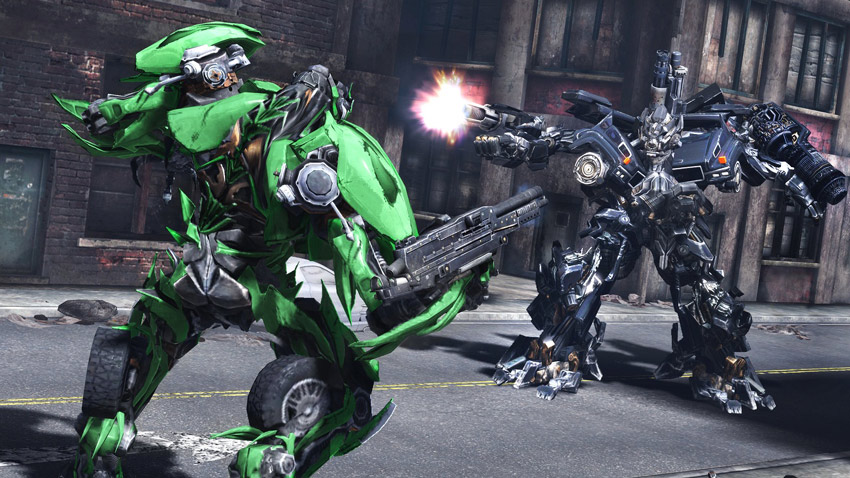
The journey of Mirage from animation to action figure is a testament to the evolving nature of character representation in media. Her story reflects broader themes of empowerment, nostalgia, and the profound connection fans have with their favorite characters. The evolution of Mirage illustrates how animated characters can transition into beloved collectibles and cultural icons, enriching the lives of fans and contributing to ongoing dialogues about representation and identity in popular culture.
As Mirage continues to inspire new generations, her legacy as both an animated character and an action figure will undoubtedly endure, reminding us of the power and significance of storytelling across different mediums.