Building Skills: The Educational Advantages of Foam Block Play
In the realm of early childhood education, play is recognized as a fundamental component of learning. Among various play materials, foam blocks have emerged as a particularly engaging and versatile tool for developing essential skills in young children. This article explores the educational advantages of foam block play, highlighting its impact on cognitive, physical, social, and emotional development.
The Nature of Foam Block Play
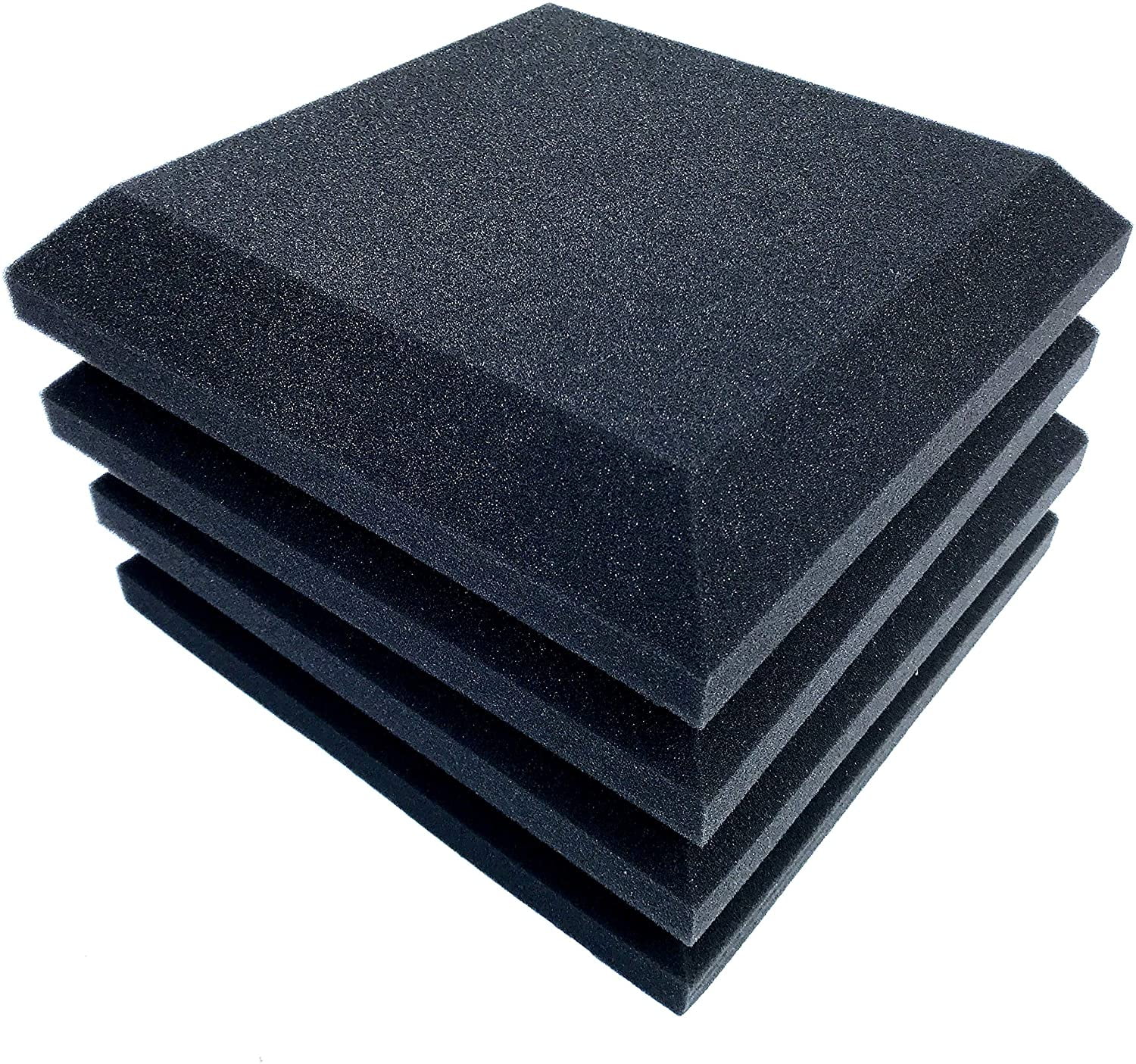
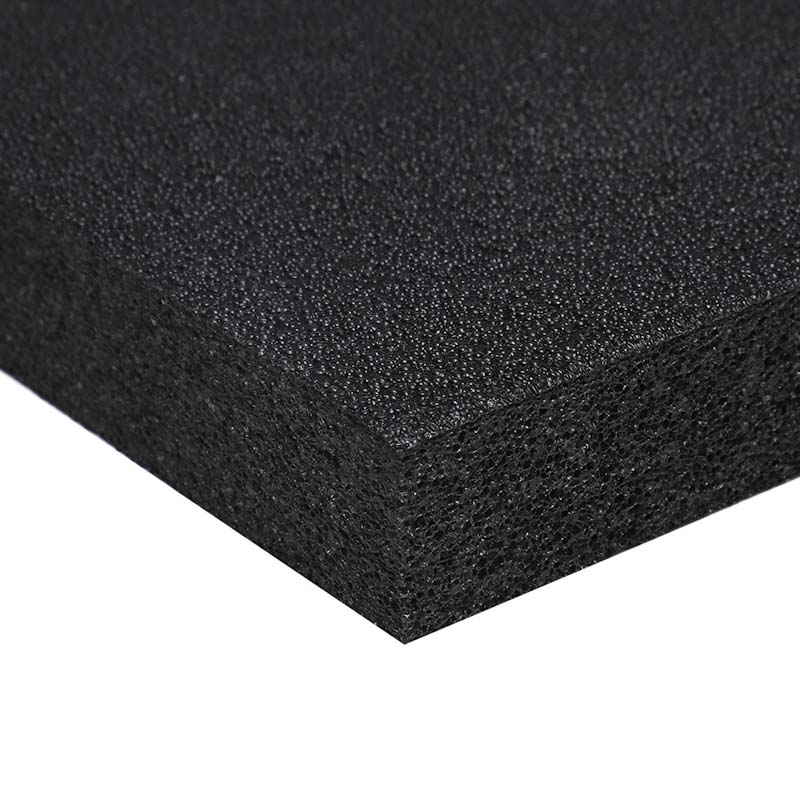
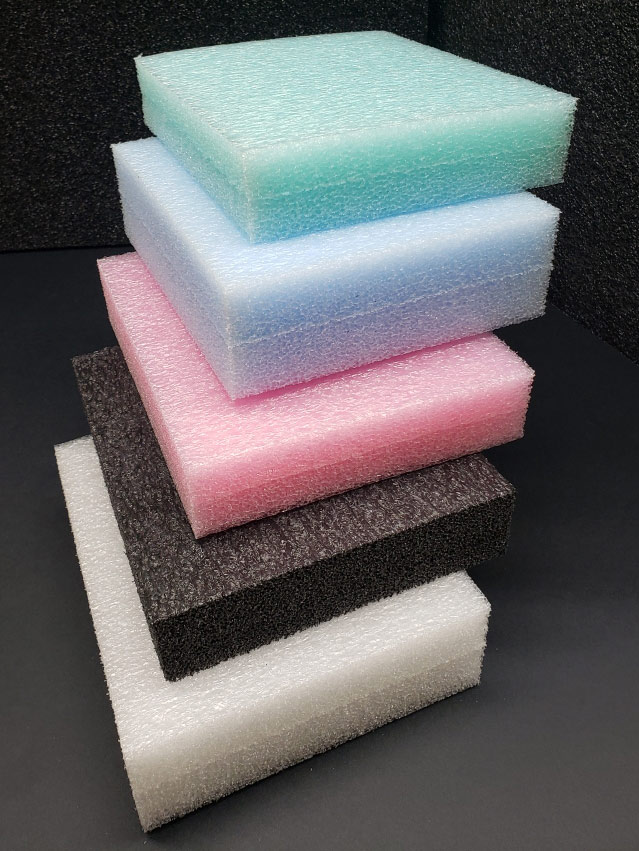
Foam blocks are lightweight, durable, and safe for children, making them an excellent choice for both indoor and outdoor play. Unlike traditional wooden blocks, foam blocks come in various shapes, sizes, and colors, allowing for endless creativity. The soft texture reduces the risk of injury, encouraging children to experiment and explore without fear.
Cognitive Development Through Foam Block Play
Foam block play is a powerful tool for enhancing cognitive skills in young children. When children engage in block play, they are not merely stacking; they are also problem-solving, planning, and experimenting. Here are some key cognitive benefits:
- Spatial Awareness: Manipulating blocks helps children understand size, shape, and spatial relationships. As they build structures, they learn to visualize how pieces fit together.
- Mathematical Skills: Foam block play provides a natural platform for children to explore basic math concepts, such as counting, measurement, and symmetry. For instance, when building a tower, children can count the number of blocks used and compare heights.
- Critical Thinking: Constructing with blocks encourages children to think critically about their designs. They must assess balance and stability, fostering an understanding of cause and effect.
Physical Development: Strengthening Motor Skills
Foam block play also contributes significantly to physical development. As children manipulate the blocks, they engage both fine and gross motor skills. Here’s how foam blocks enhance physical abilities:
- Fine Motor Skills: Grasping, stacking, and arranging blocks improves hand-eye coordination and dexterity. These skills are essential for later tasks such as writing and drawing.
- Gross Motor Skills: The act of lifting, moving, and balancing large foam blocks promotes strength and coordination. Children often engage in large movements, such as squatting or reaching, which are crucial for overall physical development.
- Balance and Coordination: Building tall structures requires children to stabilize their bodies while manipulating blocks, enhancing their balance and coordination.
Social Skills Development Through Collaborative Play

Foam block play provides an excellent opportunity for children to develop social skills. When children play together, they engage in cooperative activities that foster communication and teamwork. The following social benefits are noteworthy:
- Communication Skills: As children collaborate on building projects, they learn to express their ideas and listen to others. This enhances their vocabulary and ability to articulate thoughts.
- Conflict Resolution: Group play often leads to disagreements, which children must navigate. Through negotiation and compromise, they learn valuable conflict resolution skills.
- Empathy and Sharing: Working together encourages children to share resources, take turns, and consider the feelings of their peers, fostering empathy and social awareness.
Emotional Development: Confidence and Creativity
Foam block play is not just about physical and cognitive development; it also plays a crucial role in emotional growth. Here are some emotional benefits associated with block play:
- Boosting Self-Esteem: Successfully building a structure gives children a sense of accomplishment, boosting their confidence and self-esteem. This feeling of success can motivate them to tackle new challenges.
- Encouraging Creativity: Foam blocks allow for open-ended play, enabling children to express their creativity. They can experiment with different designs, fostering innovation and imaginative thinking.
- Stress Relief: Engaging in play is a natural way for children to relieve stress and express emotions. The tactile experience of foam blocks can be soothing and calming for many children.
Real-World Applications and Case Studies
The advantages of foam block play are not just theoretical; numerous studies and real-world applications demonstrate its effectiveness. For instance:
- Case Study in a Preschool: A preschool in California incorporated foam block play into its curriculum. Teachers observed significant improvements in children’s problem-solving skills and social interactions over a six-month period.
- Research Findings: A study published in the Journal of Educational Psychology found that children who engaged in block play showed higher scores in spatial reasoning tests compared to those who did not participate in block play.
- Community Programs: Various community centers have introduced foam block play in their after-school programs, noting increased engagement and collaboration among children.
Implementing Foam Block Play in Educational Settings
For educators and parents looking to harness the benefits of foam block play, here are some practical tips for implementation:
- Create a Designated Play Area: Set up a safe, inviting space where children can freely access foam blocks and explore their creativity.
- Incorporate Themes: Introduce themed building challenges, such as creating a castle or a bridge, to spark interest and encourage teamwork.
- Encourage Reflection: After play sessions, facilitate discussions where children can share their experiences, thoughts, and feelings about their creations.
The Future of Foam Block Play in Education
As educational philosophies continue to evolve, the emphasis on play-based learning is becoming increasingly recognized. Foam blocks are likely to remain a staple in educational settings due to their versatility and the comprehensive developmental benefits they offer. With ongoing research and advocacy for play in learning, foam block play will continue to play a vital role in shaping the future of early childhood education.
The Lasting Impact of Foam Block Play

Foam block play is more than just a fun activity; it is a multifaceted educational tool that supports cognitive, physical, social, and emotional development in children. By engaging in block play, children develop critical skills that lay the foundation for lifelong learning. From enhancing spatial awareness and motor skills to fostering creativity and social collaboration, the benefits of foam block play are profound and far-reaching.
As educators and parents, recognizing the importance of play in learning can lead to more enriching experiences for children. By incorporating foam blocks into playtime, we can create opportunities for children to explore, discover, and grow in a supportive and engaging environment. The journey of learning through play is not only enjoyable but also essential for nurturing well-rounded individuals ready to embrace the challenges of the future.