The Elegance of Draped Back Dresses: A Fashion Statement
Fashion is a dynamic and ever-evolving art form that encapsulates individual expression, cultural significance, and historical context. Among the myriad of styles that have emerged over the decades, the draped back dress stands out as a timeless piece that embodies sophistication and elegance. This article explores the origins, design elements, and cultural significance of draped back dresses while emphasizing their status as a fashion statement.
The Historical Context of Draped Fashion

The concept of draping in fashion is not new; it dates back to ancient civilizations. Draped garments have been worn by various cultures throughout history, from the flowing togas of Ancient Rome to the elegant kimonos of Japan. The draped back dress, specifically, gained prominence in the 20th century, particularly in the 1930s and 1940s, when designers began to experiment with fabric and silhouette to create fluid and graceful lines.
- 1930s Hollywood Glamour: The Hollywood Golden Age saw the rise of glamorous red-carpet styles, with stars like Jean Harlow and Rita Hayworth showcasing draped dresses that accentuated their figures.
- 1940s Haute Couture: Designers like Christian Dior introduced the “New Look,” which emphasized feminine silhouettes featuring cinched waists and flowing skirts, often complemented by draped backs.
- Modern Revival: The late 20th and early 21st centuries have witnessed a resurgence of interest in draped back dresses, with contemporary designers incorporating modern fabrics and techniques.
The Art of Draping: Design Elements

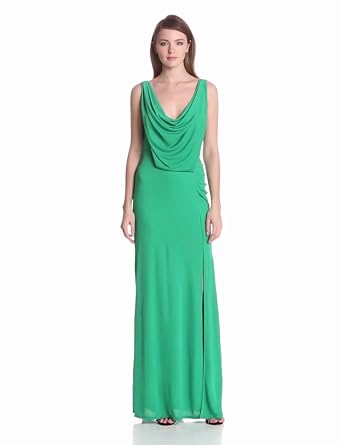
Draped back dresses are characterized by their unique construction, which allows for a beautiful interplay of fabric and form. Here are some key design elements that contribute to the elegance of these garments:
- Fabric Choice: Luxurious materials such as silk, chiffon, and satin are commonly used in draped back dresses, as they allow for fluid movement and create a soft silhouette.
- Silhouette: The draped back typically features a fitted bodice that transitions into a flowing skirt, enhancing the wearer’s curves and creating an elongated appearance.
- Neckline Variations: From plunging V-necks to high halters, the neckline can vary significantly, allowing for personalization and style preference.
- Back Design: The draped element at the back can take various forms, including cascading fabric, open back designs, or intricate bow details, each contributing to the overall aesthetic.
The Versatility of Draped Back Dresses
One of the most appealing aspects of draped back dresses is their versatility. They can be styled for a variety of occasions, making them a staple in many wardrobes. Here are some scenarios where draped back dresses shine:
- Formal Events: Whether it’s a wedding, gala, or prom, draped back dresses exude elegance and sophistication, making them a popular choice for formal occasions.
- Evening Outings: The allure of a draped back adds a touch of glamour to any evening look, perfect for dinner dates or cocktail parties.
- Casual Settings: When styled with the right accessories, draped back dresses can be adapted for more casual settings, such as brunch or a garden party.
Celebrity Influence: The Draped Back Dress on the Red Carpet

Celebrities play a significant role in shaping fashion trends, and the draped back dress is no exception. Numerous high-profile figures have been spotted wearing stunning draped back creations, further solidifying their place in modern fashion. Some noteworthy examples include:
- Angelina Jolie: The actress has made headlines on numerous occasions for her elegant draped back dresses, often opting for classic black or bold colors that highlight her statuesque figure.
- Rihanna: Known for her daring fashion choices, Rihanna has worn several draped back designs that showcase her unique style and confidence.
- Emma Stone: At various award shows, Stone has opted for draped back dresses that perfectly complement her vintage-inspired aesthetic.
Case Studies: Designers Who Mastered the Draped Back

Several designers have made significant contributions to the draped back dress, elevating its status in high fashion. Here are a few notable case studies:
- Alexander McQueen: Known for his dramatic and avant-garde designs, McQueen often incorporated draping techniques to create stunning pieces that challenged conventional silhouettes and showcased the human form.
- Giorgio Armani: Armani’s designs often feature clean lines and elegant draping, emphasizing a sophisticated yet relaxed aesthetic that has influenced countless fashion enthusiasts.
- Versace: The brand is known for its bold and glamorous styles, with draped back dresses frequently appearing in their collections, often adorned with intricate embellishments.
Statistics and Trends in Draped Back Dresses
The popularity of draped back dresses is reflected in fashion sales and trends. According to a report by the Fashion Retailer Association, dresses, in general, accounted for over 30% of clothing sales in 2022, with draped styles gaining traction among consumers. Additionally, social media platforms like Instagram and Pinterest have become vital in showcasing and popularizing these elegant pieces:
- Increased Engagement: Posts featuring draped back dresses on Instagram have seen engagement rates rise by nearly 25% over the past two years.
- Pinterest Trends: Searches for “draped back dresses” have spiked by 40% in 2023, indicating a growing interest in this specific style.
How to Style a Draped Back Dress

Styling a draped back dress can be a delightful endeavor. Here are some tips to ensure you make the most out of this elegant garment:
- Accessorize Wisely: Choose accessories that complement the dress without overshadowing it. A simple pair of earrings or a delicate bracelet can enhance the look.
- Footwear Matters: Opt for heels that add height and elegance. Strappy sandals or classic pumps often work well with draped back dresses.
- Layering Options: For cooler weather, consider adding a fitted blazer or shawl that does not detract from the dress’s draped design.
The draped back dress represents more than just a fashion choice; it is a symbol of elegance, artistry, and individuality. With a rich historical background, versatile styling options, and a continued presence on the red carpet, these dresses hold a significant place in contemporary fashion. As trends evolve and new designers emerge, the draped back dress will likely continue to be a favored choice for those seeking to make a stylish statement.
Whether you’re dressing for a formal event, a casual outing, or simply looking to express your personal style, the draped back dress is a timeless piece that captures the essence of elegance in fashion.