Artistry or Deception? The Aesthetic Appeal of Huge Fake Trees in Modern Design
In the world of modern design, few elements evoke as much fascination and debate as the use of artificial trees. These colossal structures, often crafted from materials like fiberglass, plastic, and metal, have permeated urban landscapes, theme parks, shopping malls, and even private gardens. While some view them as an ingenious blend of artistry and functionality, others criticize them as mere deceptions, lacking authenticity. This article delves into the aesthetic appeal of huge fake trees, examining their role in design, cultural significance, and the reactions they elicit.
Understanding the Rise of Artificial Trees

The trend of incorporating artificial trees into design is part of a broader movement towards maximizing space and creating visually captivating environments. The reasons for their rise can be attributed to several factors:
- Urbanization: As cities grow denser, the need for green spaces becomes more pressing. Artificial trees offer a solution, providing the illusion of nature in concrete jungles.
- Climate Resilience: With increasing concerns over climate change, fake trees can symbolize eco-friendliness while also serving functional purposes, such as air purification and energy generation.
- Artistic Expression: Designers and architects use artificial trees as a canvas for creativity, transforming spaces dramatically and making bold statements.
Case Studies: Iconic Examples of Fake Trees
To understand the impact of artificial trees in design, let’s examine some iconic examples that have captured public imagination:
The Tree of Life at Disney’s Animal Kingdom

Disney’s Tree of Life stands 145 feet tall and features over 300 meticulously carved animal sculptures. This enormous artificial tree serves as the centerpiece of Disney’s Animal Kingdom, symbolizing the interconnectedness of all living things. Its intricate design and vibrant colors make it a focal point for visitors, merging the concept of nature with the fantasy of a theme park.
Changi Airport’s Supertree Grove
Singapore’s Changi Airport, consistently ranked among the world’s best, features a stunning Supertree Grove. These vertical gardens, standing between 82 to 164 feet tall, are designed to mimic real trees but are constructed using steel and concrete. They serve both aesthetic and functional purposes, including energy generation through solar panels and rainwater harvesting. The fusion of technology and nature in this design has made it a tourist attraction in its own right.
The Living Root Bridges of Meghalaya
In contrast to contemporary artificial trees, the living root bridges of Meghalaya, India, showcase the ingenuity of using natural materials to create functional art. While not artificial in the traditional sense, these bridges represent a form of biodesign, where the manipulation of living trees leads to incredible structures. This juxtaposition raises questions about authenticity versus artifice in the natural and built environments.
The Aesthetics of Fake Trees: Beauty or Facade?

One of the most compelling aspects of huge fake trees is their aesthetic appeal. Critics argue they are a facade, while proponents believe they enhance the beauty of their surroundings. Here are some aesthetic considerations:
- Visual Impact: Fake trees can create dramatic focal points in landscapes, drawing the eye and evoking a sense of wonder.
- Seasonal Adaptability: Unlike natural trees, artificial ones can maintain their appearance year-round, offering consistency in design aesthetics.
- Creative Freedom: Designers can experiment with form, scale, and color, enabling them to create unique pieces that resonate with specific themes or cultural contexts.
The Cultural Significance of Artificial Trees
Artificial trees can carry deep cultural significance. They often symbolize growth, resilience, and a connection to nature. In various cultures, trees hold spiritual importance, and their artificial counterparts can serve similar functions:
- Community Symbols: In urban settings, fake trees can foster a sense of community, representing collective values like sustainability and innovation.
- Tourism and Economy: Iconic artificial trees attract tourists, contributing to local economies and enhancing the cultural landscape.
- Environmental Awareness: Many installations aim to raise awareness about environmental issues, blending art with activism.
Critiques and Controversies Surrounding Fake Trees
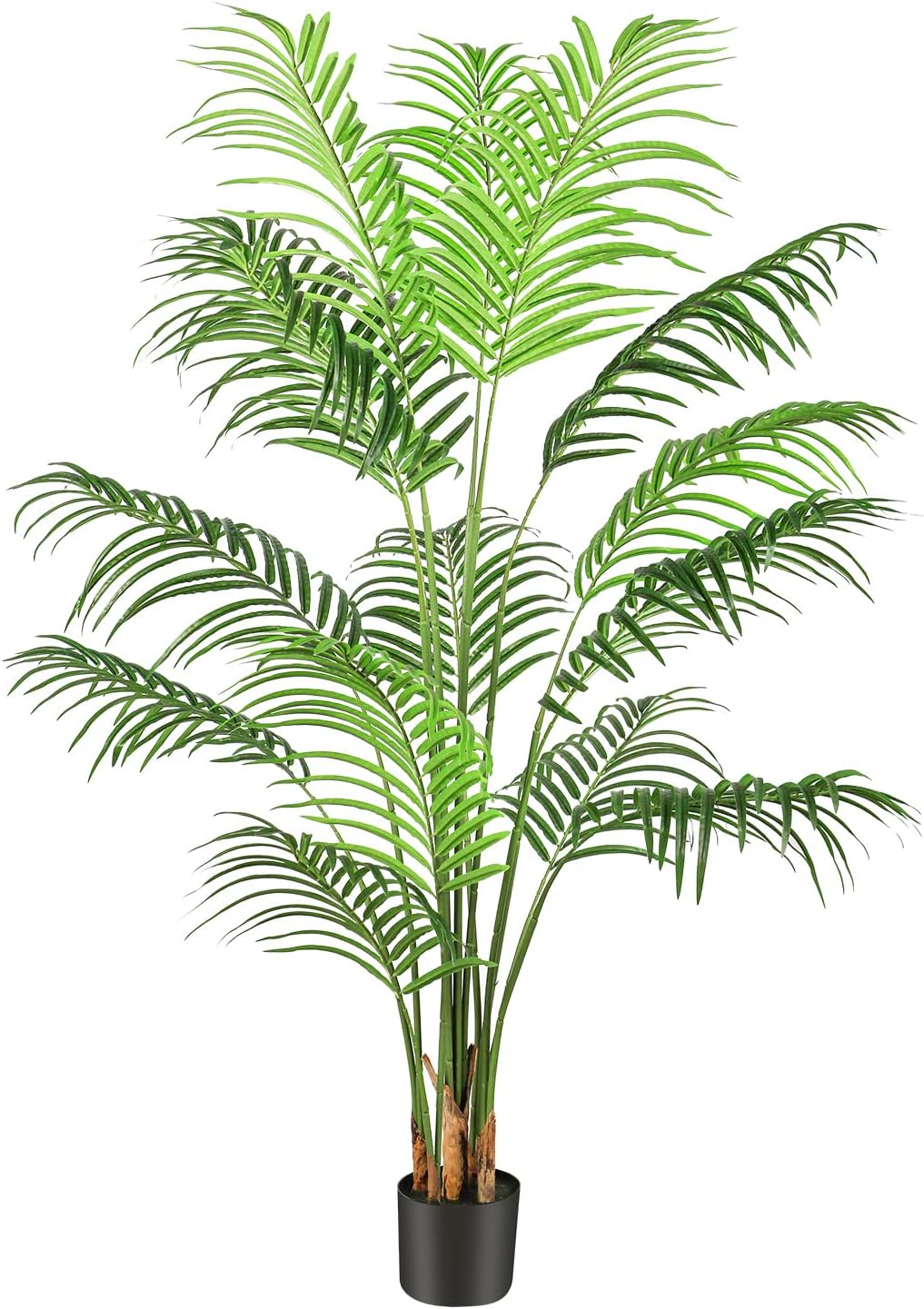
Despite their aesthetic appeal and cultural significance, huge fake trees are not without controversy. Critics argue that:
- Authenticity Concerns: Artificial trees may create a false sense of connection to nature, leading to complacency regarding environmental issues.
- Maintenance Issues: While they may require less upkeep than natural trees, artificial trees can suffer from wear and tear, leading to an eventual decline in aesthetic value.
- Cost vs. Benefit: The financial investment in creating and maintaining these structures may not always yield proportional benefits for communities.
The Future of Artificial Trees in Design

As urban spaces continue to evolve, the future of artificial trees in design appears promising yet complex. Innovations in materials and design techniques are likely to enhance their functionality and appeal:
- Biomimicry: Future designs may incorporate biomimicry, where artificial trees mimic the processes of real trees, such as photosynthesis or carbon absorption.
- Smart Technology: Integration with smart technology could allow artificial trees to monitor environmental data, contributing to urban planning and sustainability efforts.
- Community Engagement: Engaging communities in the design process can lead to more meaningful installations that resonate with local values and needs.
Striking a Balance Between Artistry and Authenticity

The aesthetic appeal of huge fake trees in modern design highlights a unique intersection of artistry, functionality, and cultural significance. While they can evoke wonder and creativity, they also raise critical questions about authenticity and our relationship with nature. As designers continue to push the boundaries of what these structures can represent, it remains essential to strike a balance between artistry and authenticity. Ultimately, the success of artificial trees lies not just in their visual impact but in their ability to foster genuine connections with the natural world and the communities they inhabit.